Skip to content
← Product

MetaFun

An event platform in three connected systems, from idea to live product
Role
Product Designer & PM
Type
Event platform · Idea to live product
Scope
Product definition · Decision log · User flows · Design system · Mobile and web UI · Arabic RTL
Design
151 screens · 3 systems · Mobile and web
Built with
Next.js · Neon · Auth.js
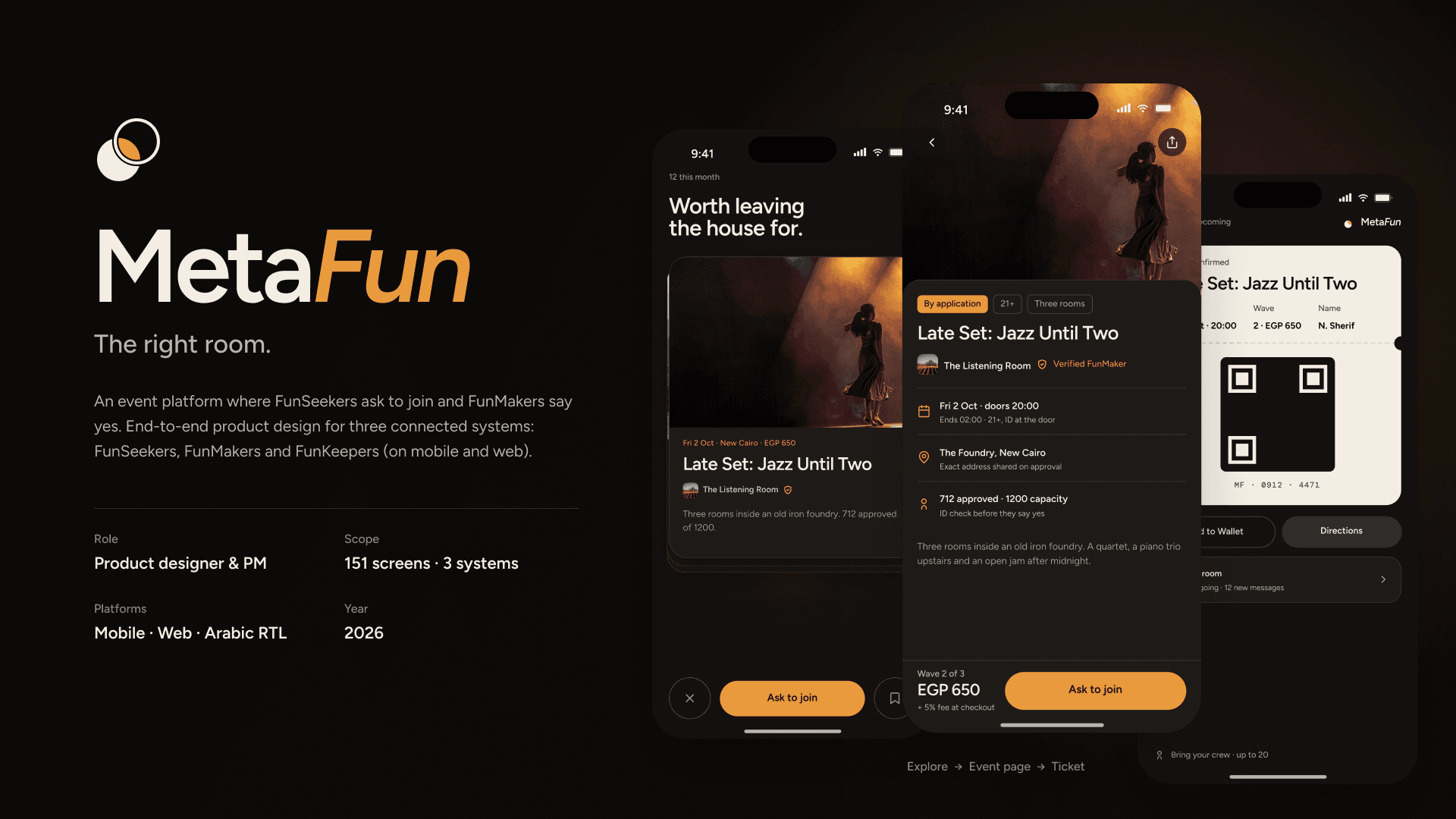
MetaFun title frame: the Eclipse logo, the line “The right room.”, and three phone screens from Explore to event page to ticket

The idea

MetaFun is an event platform. People find nights worth leaving the house for, and the people who make those nights get a proper toolkit to run them.

A night out is more than a ticket. Someone asks to come, someone decides who gets in, and someone works the door. The product had to serve all three.

The right room.

That is the brand line. The room was chosen, not sold to you. MetaFun sells belonging, and ticketing is only the mechanic.

Three roles, one loop

Each role got its own system, with its own screens and its own rules. The same person can book a concert on Friday and work the door of another on Saturday.

FunSeeker

Finds a night, asks to join or books, pays inside the window and shows the ticket at the door.

FunMaker

Sets up an organization, builds events with ticket waves, approves guests and staffs the door.

FunKeeper

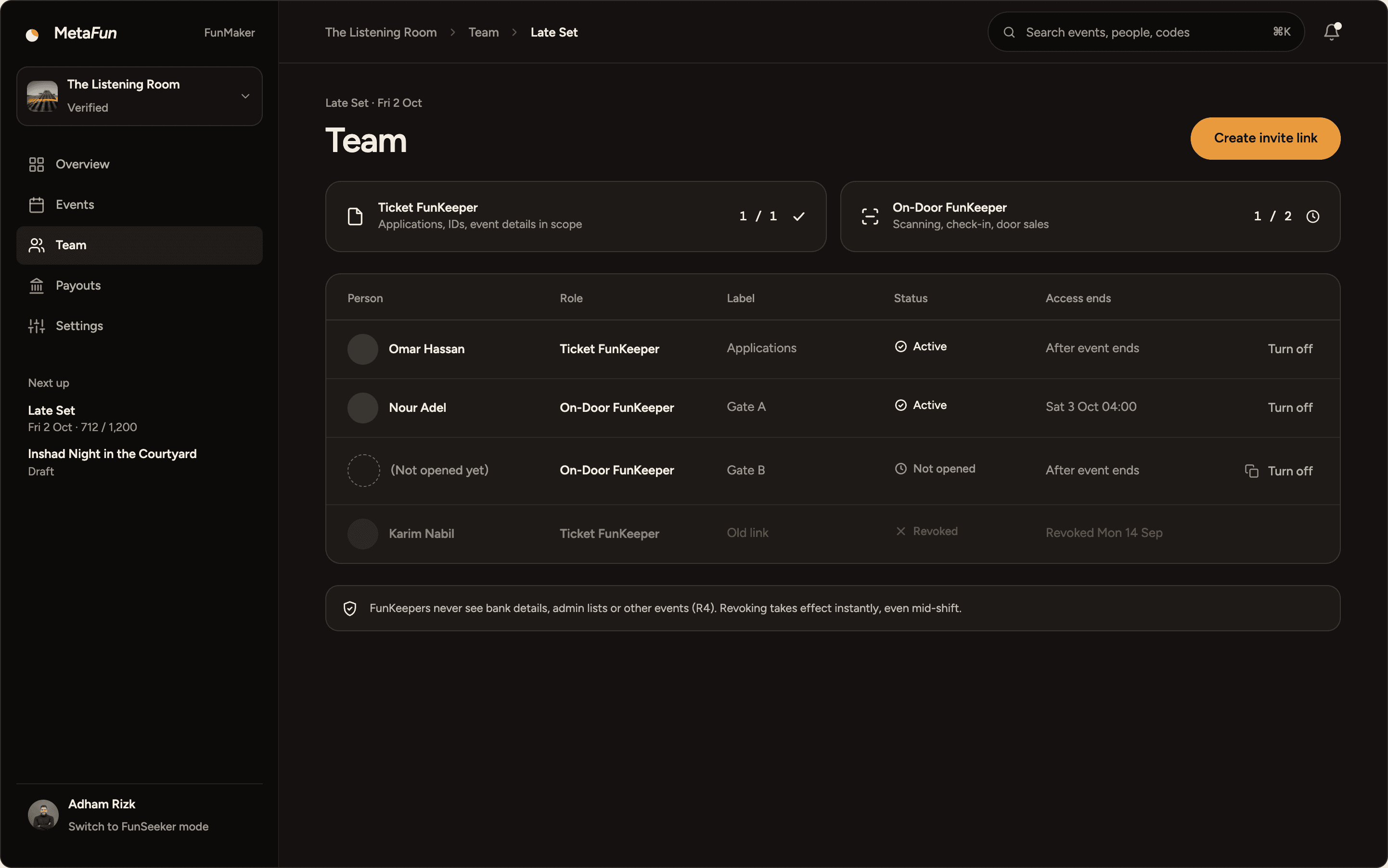
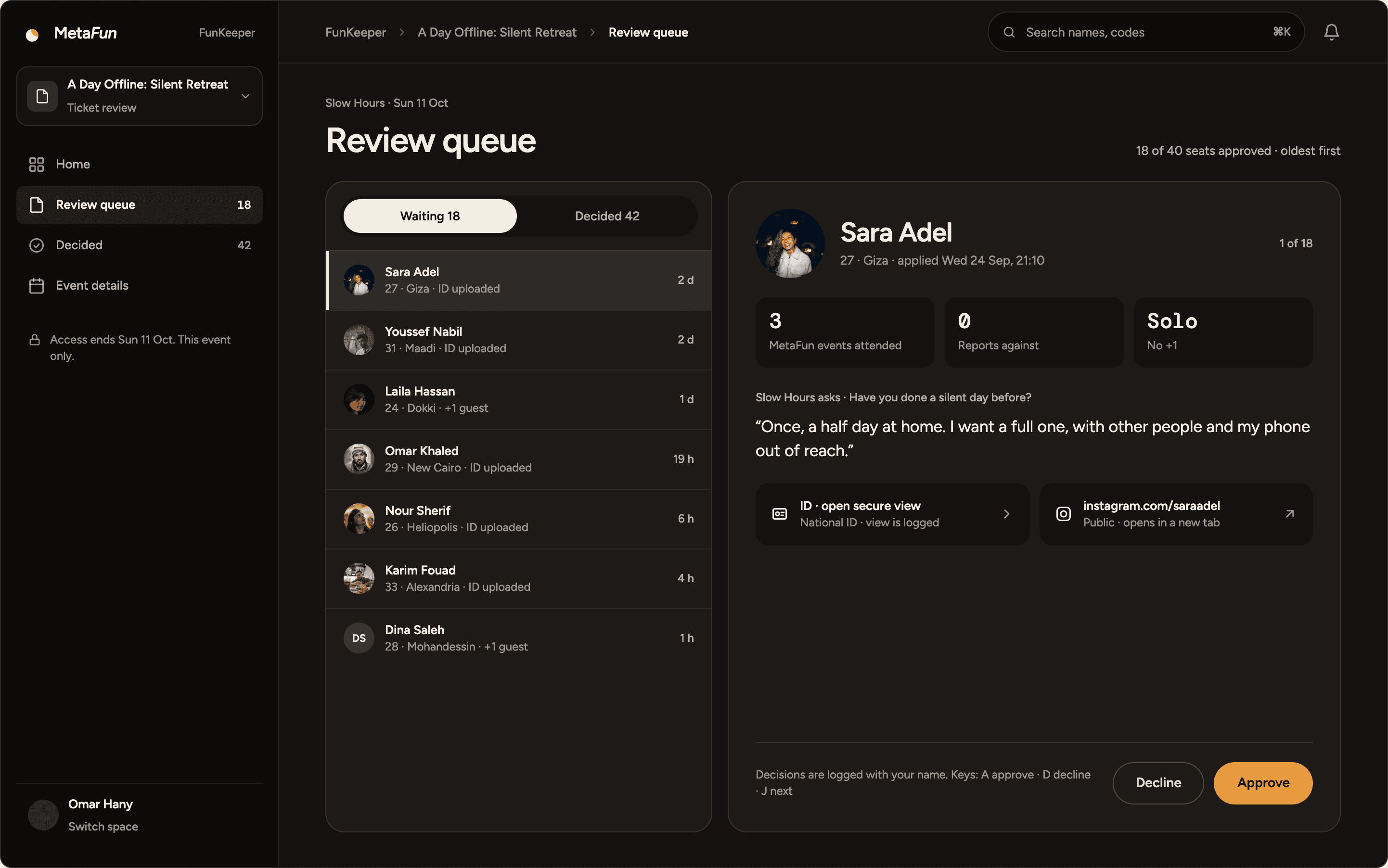
Works one event from a link. The Ticket FunKeeper reviews applications. The On-Door FunKeeper scans tickets.

The core loop runs across all three systems:
  1. FunSeeker asks to join
  2. Ticket FunKeeper approves
  3. FunSeeker pays
  4. Ticket issued
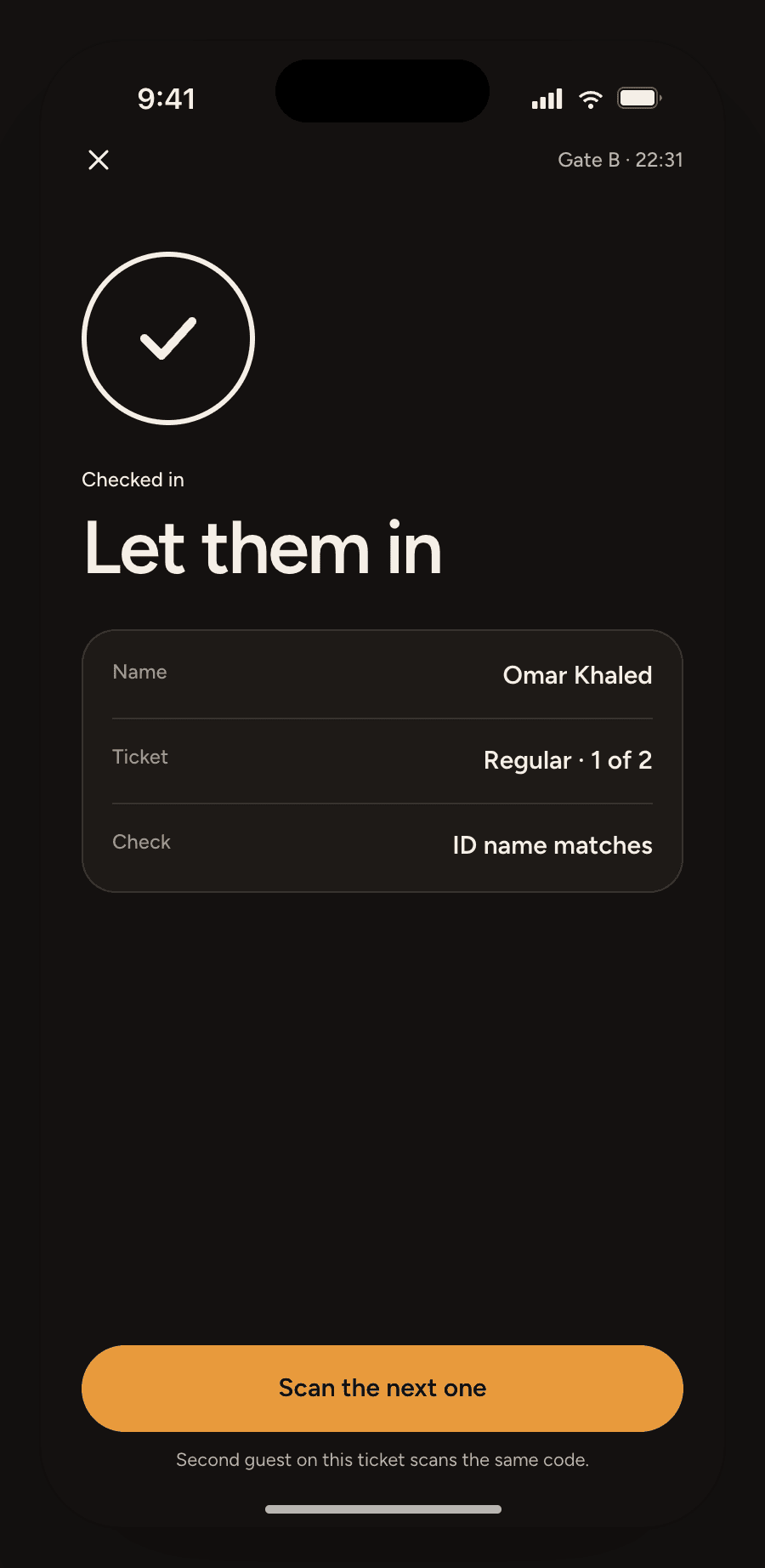
  5. On-Door FunKeeper scans
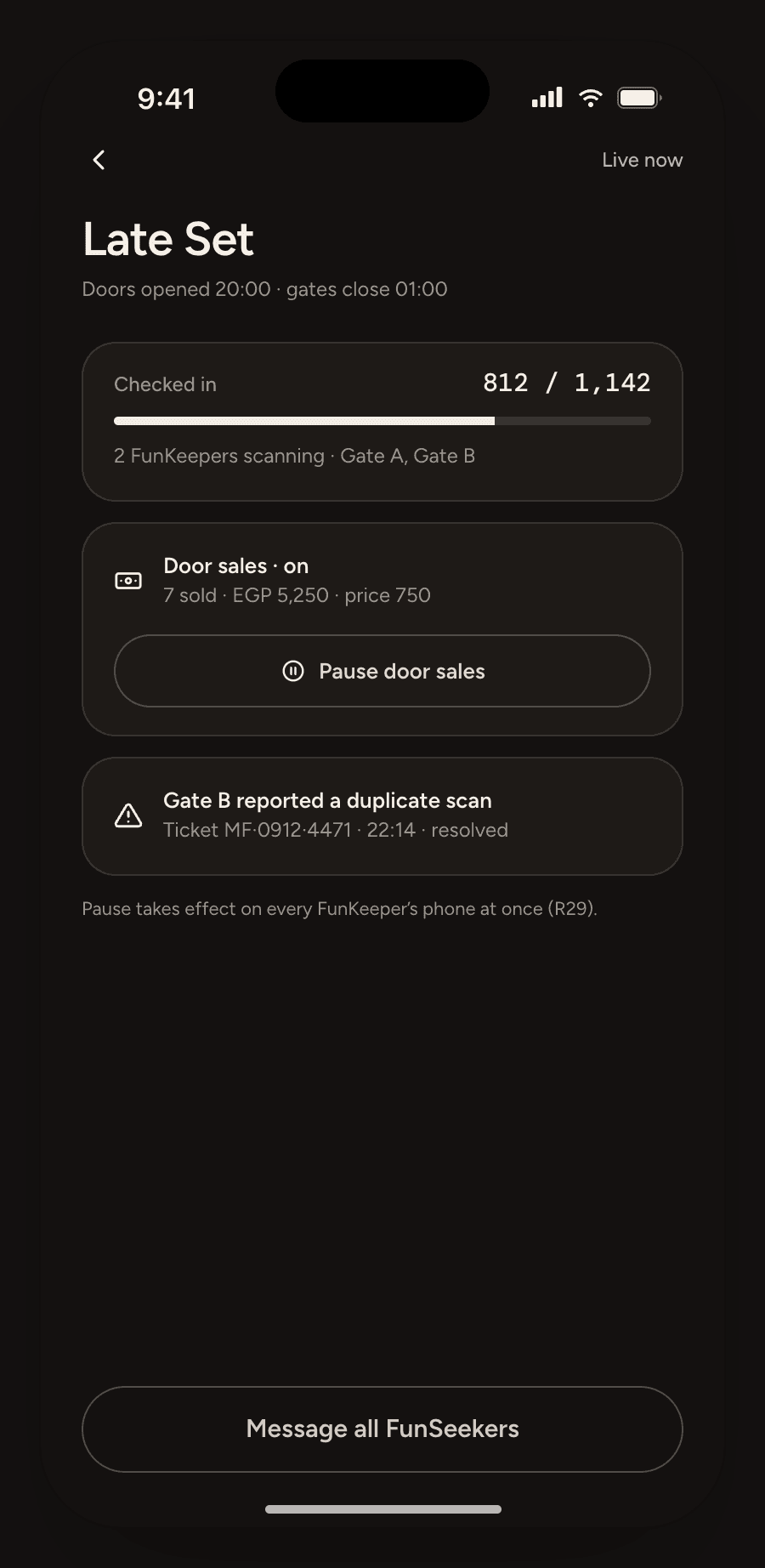
  6. FunMaker sees the check-in
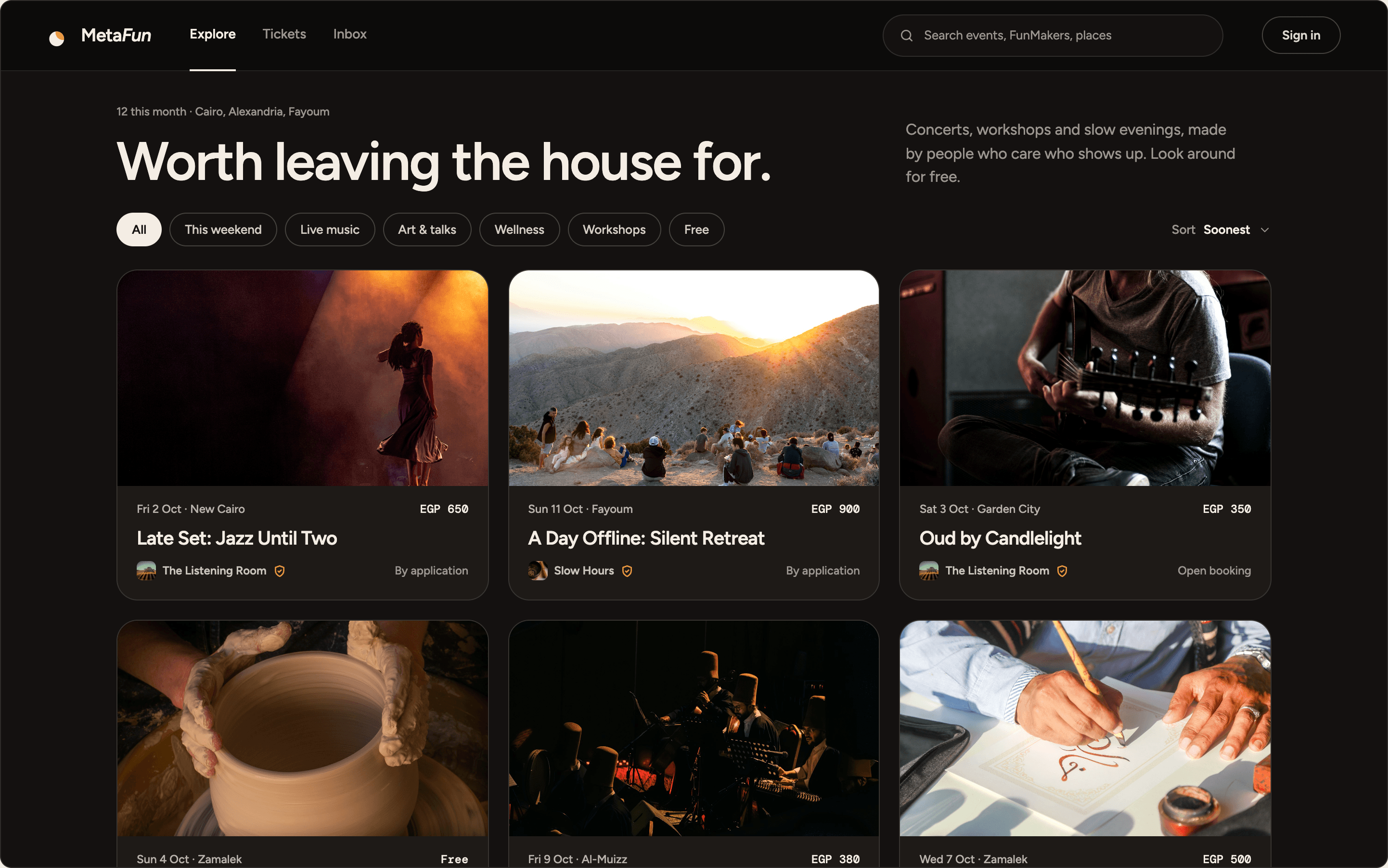
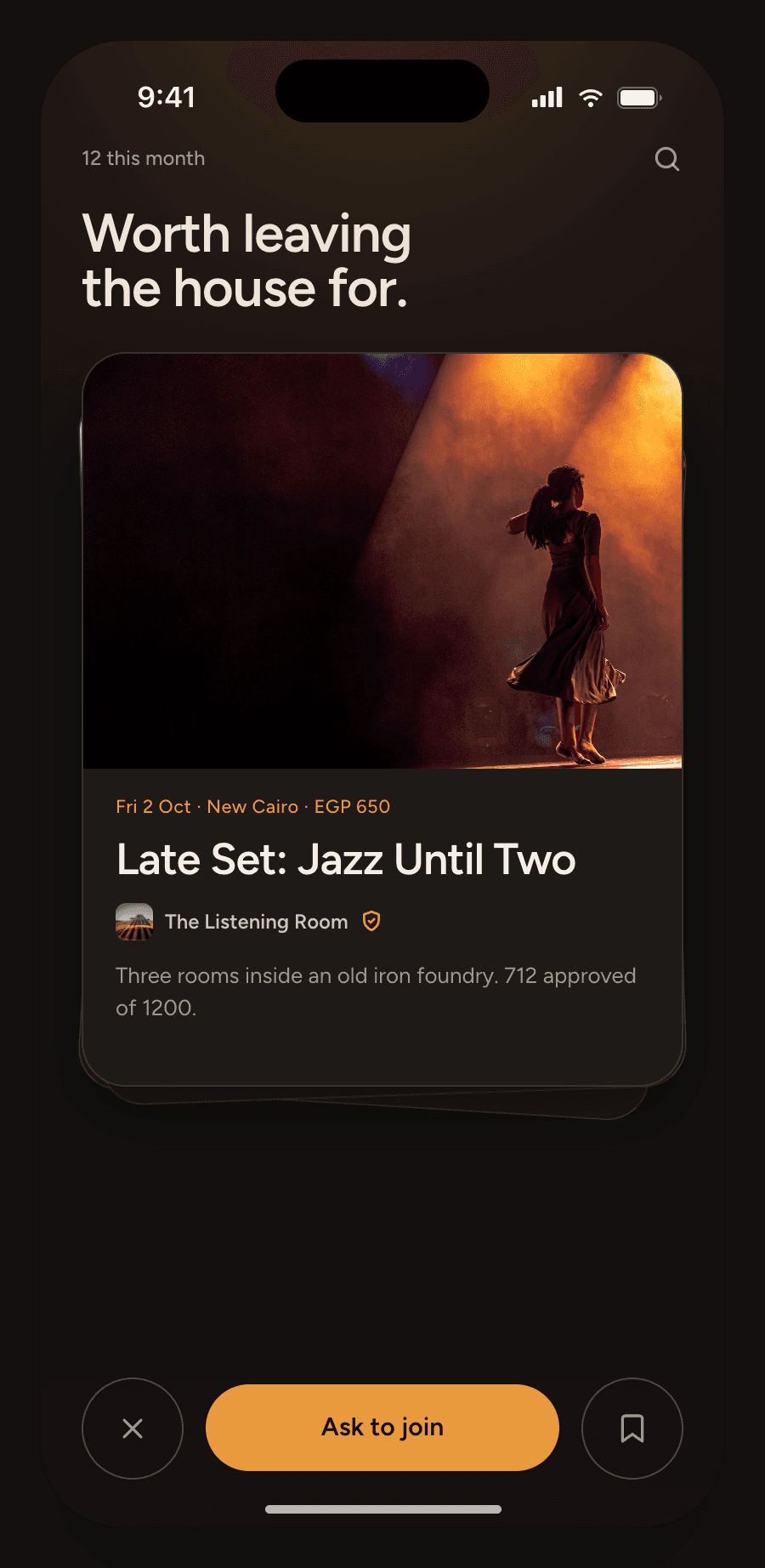
FunSeeker · Explore
MetaFun Explore screen on a phone, headed “Worth leaving the house for.”, with an event card for Late Set: Jazz Until Two and an Ask to join button
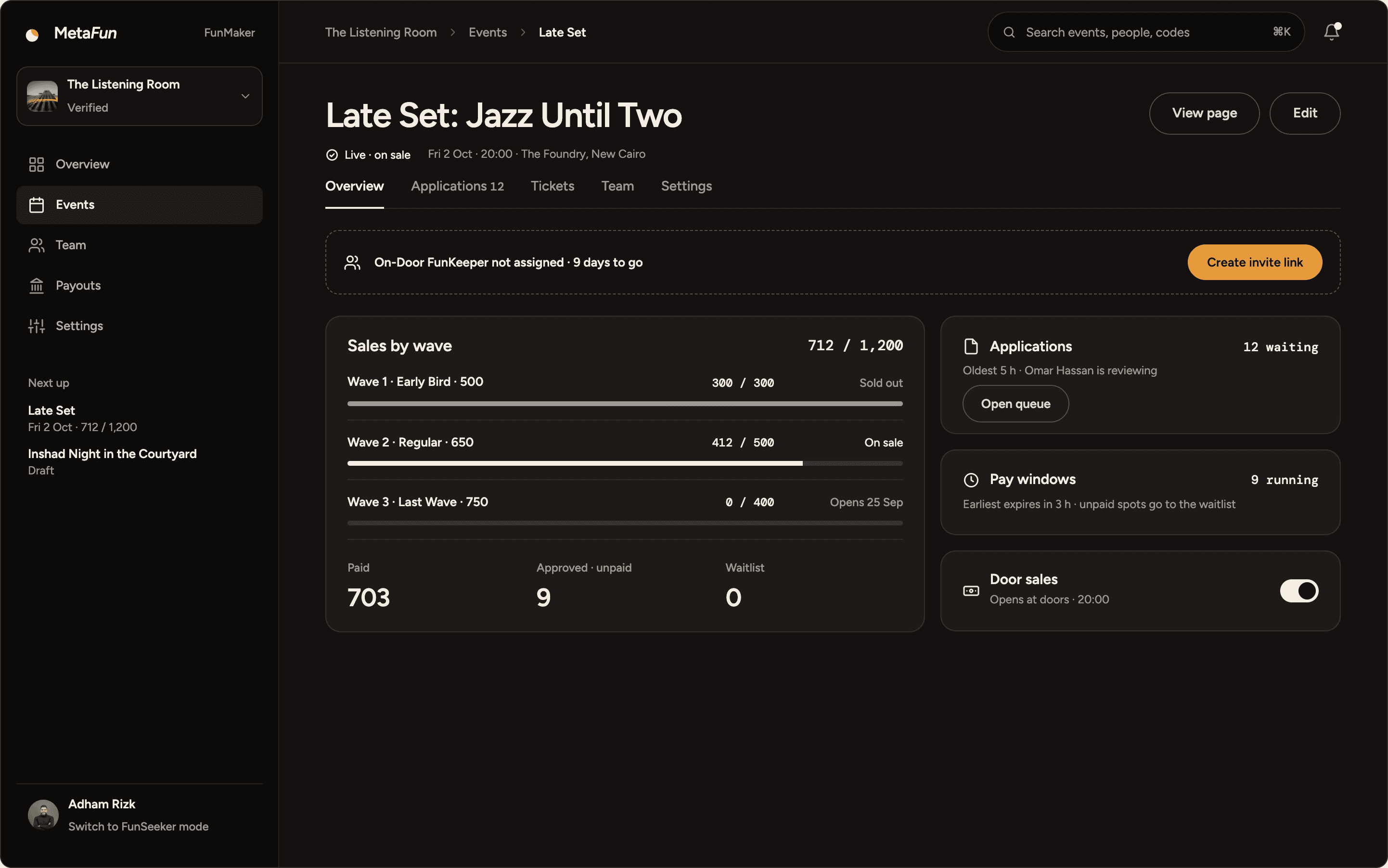
FunMaker · the night, live
FunMaker event-night screen: 812 of 1,142 checked in, door sales on with a pause button, and a duplicate-scan report from Gate B
FunKeeper · one glance per guest
FunKeeper scan result reading “Let them in”, with the guest’s name, ticket and ID match

Key product decisions

I kept a product book as the single source of truth: roles, journeys, business rules and a decision log. Eighteen decisions, each one written down as a rule the app enforces.

Friction appears exactly when the risk appears, never earlier.
Look around before signing in
Event pages and search are public. A shared link lands on an event, not a sign-up wall. Sign-in comes at booking.
One review, where money moves
Becoming a FunMaker is instant. Human review is kept for the organization, which paid events need.
An ID check you do once
ID checks stay optional until an event asks for one. The first approval then works everywhere.
FunKeepers get a link, not an account
Door teams are often hired hours before doors open. The FunMaker shares a link for one role on one event, and turning it off locks them out at once.
Invitations skip the review, not the payment
Invited guests are pre-approved but still pay inside the normal window, so an invitation never becomes a free ticket.

Ember, the design system

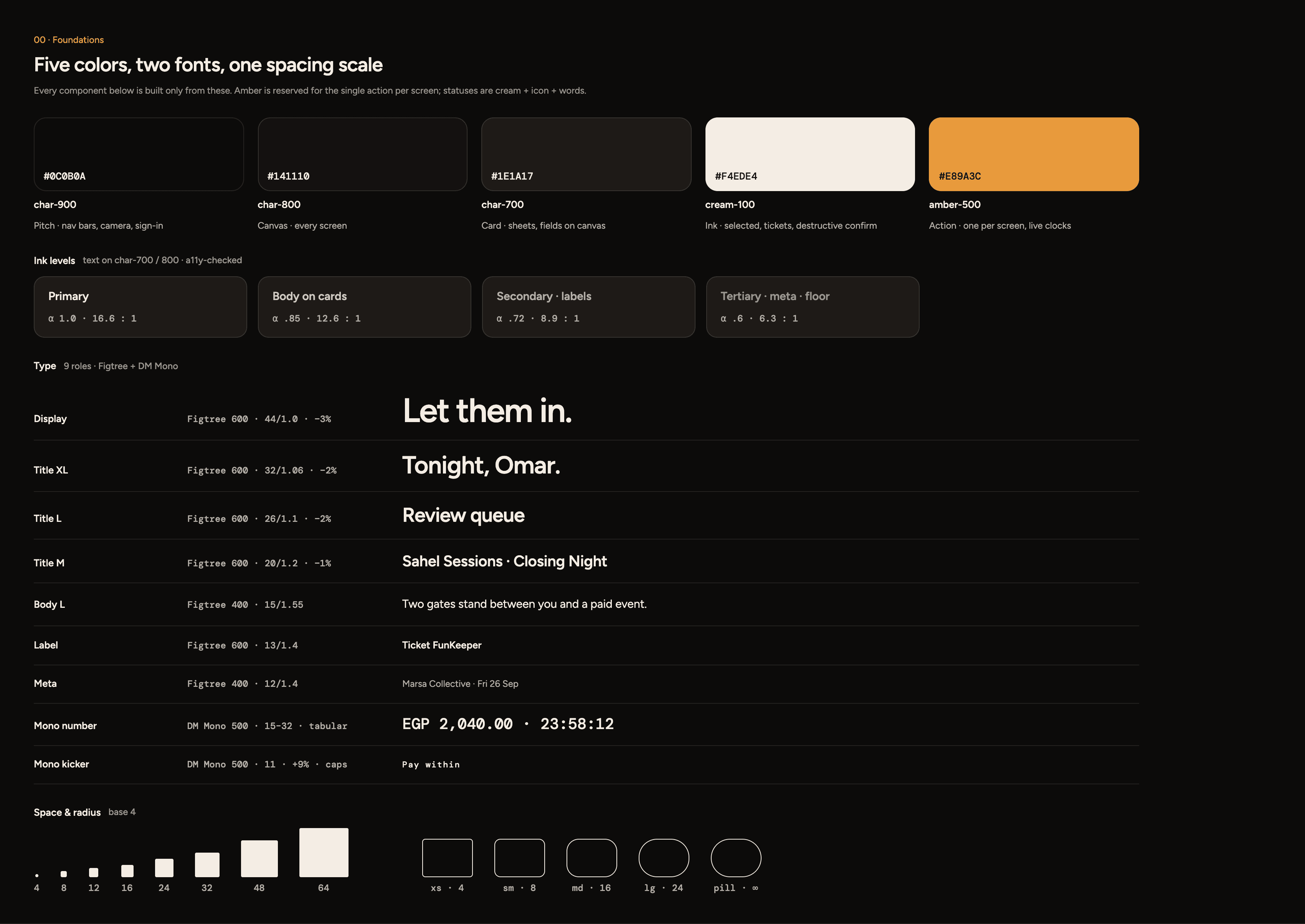
Ember is a dark room with a fire in it. Five colours, Figtree for reading, and DM Mono for anything that ticks, like clocks and ticket codes.

One amber thing per screen.

Amber is the action. If two things glow, neither reads as the action. Statuses carry no colour at all: approved, paid and full are words with an icon, so a decline never turns red.

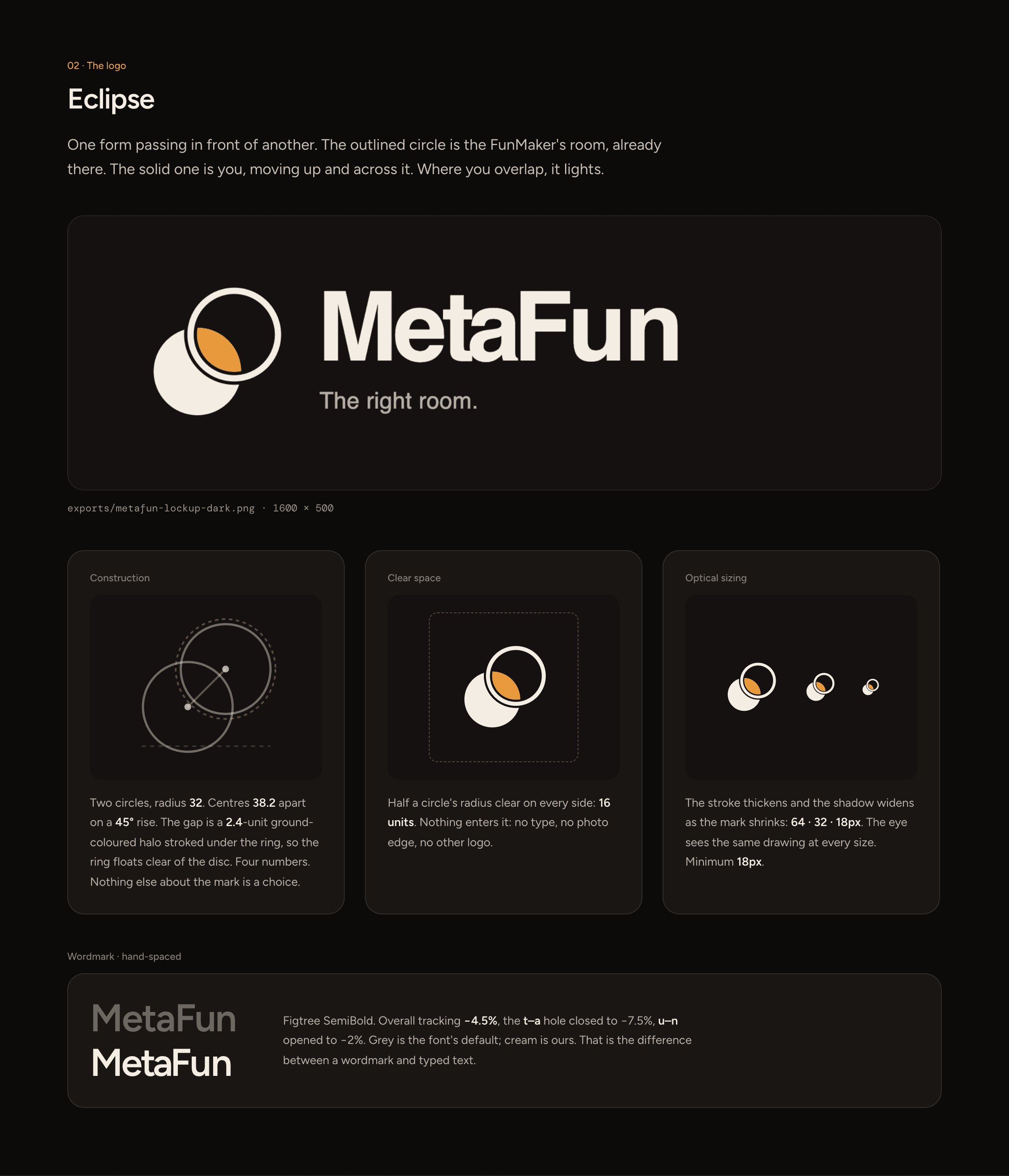
The logo is the Eclipse. The outlined circle is the FunMaker’s room. The solid one is you, rising across it, and where they overlap, it lights. The mark is also the loading state, so nothing in the app spins.
The flows

151 screens across mobile and web, grouped by system, one Figma section per flow.

FunSeeker · 34 phone screens and 18 on the web. Explore, ask to join, wait, pay, carry the ticket.
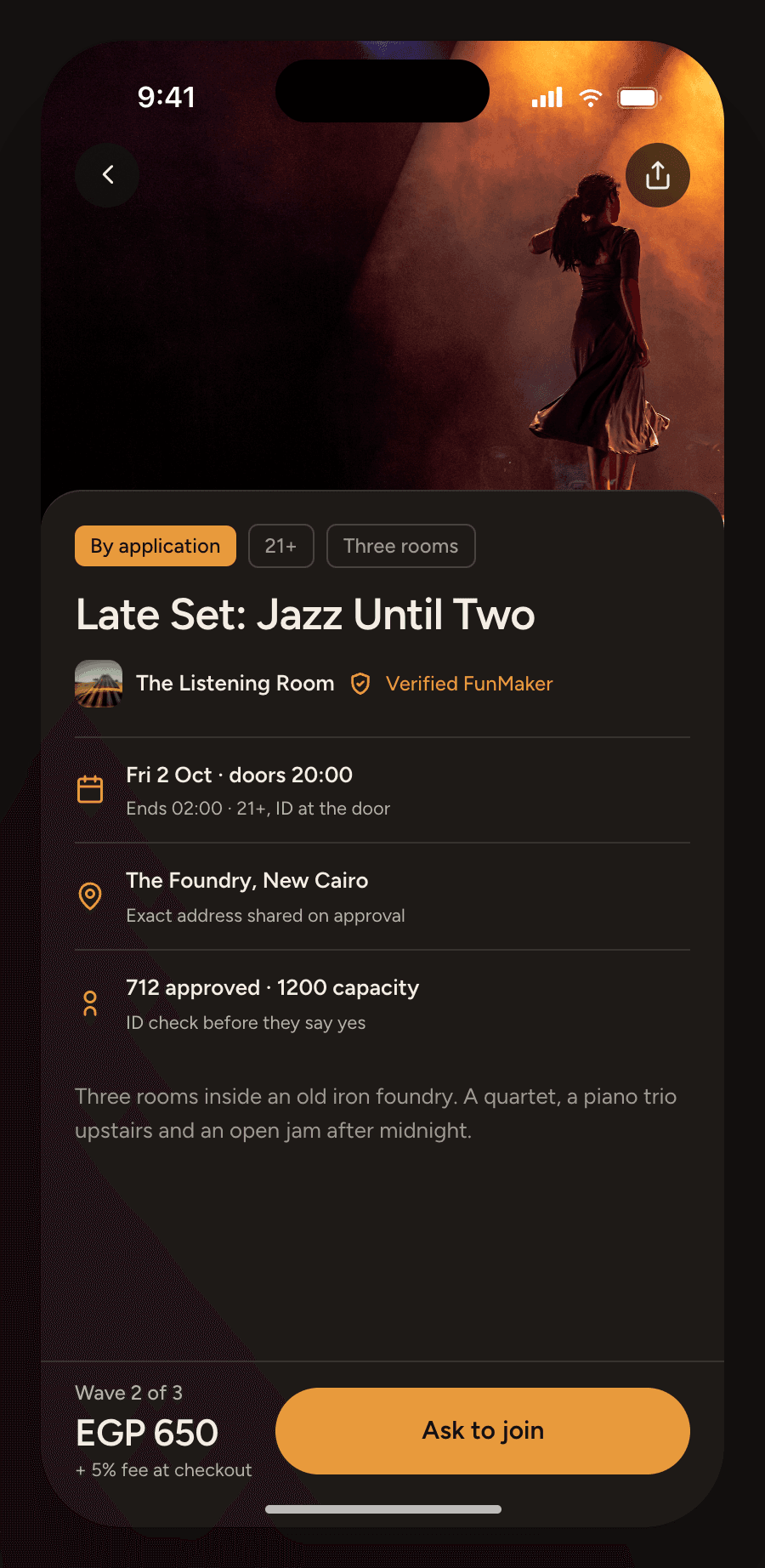
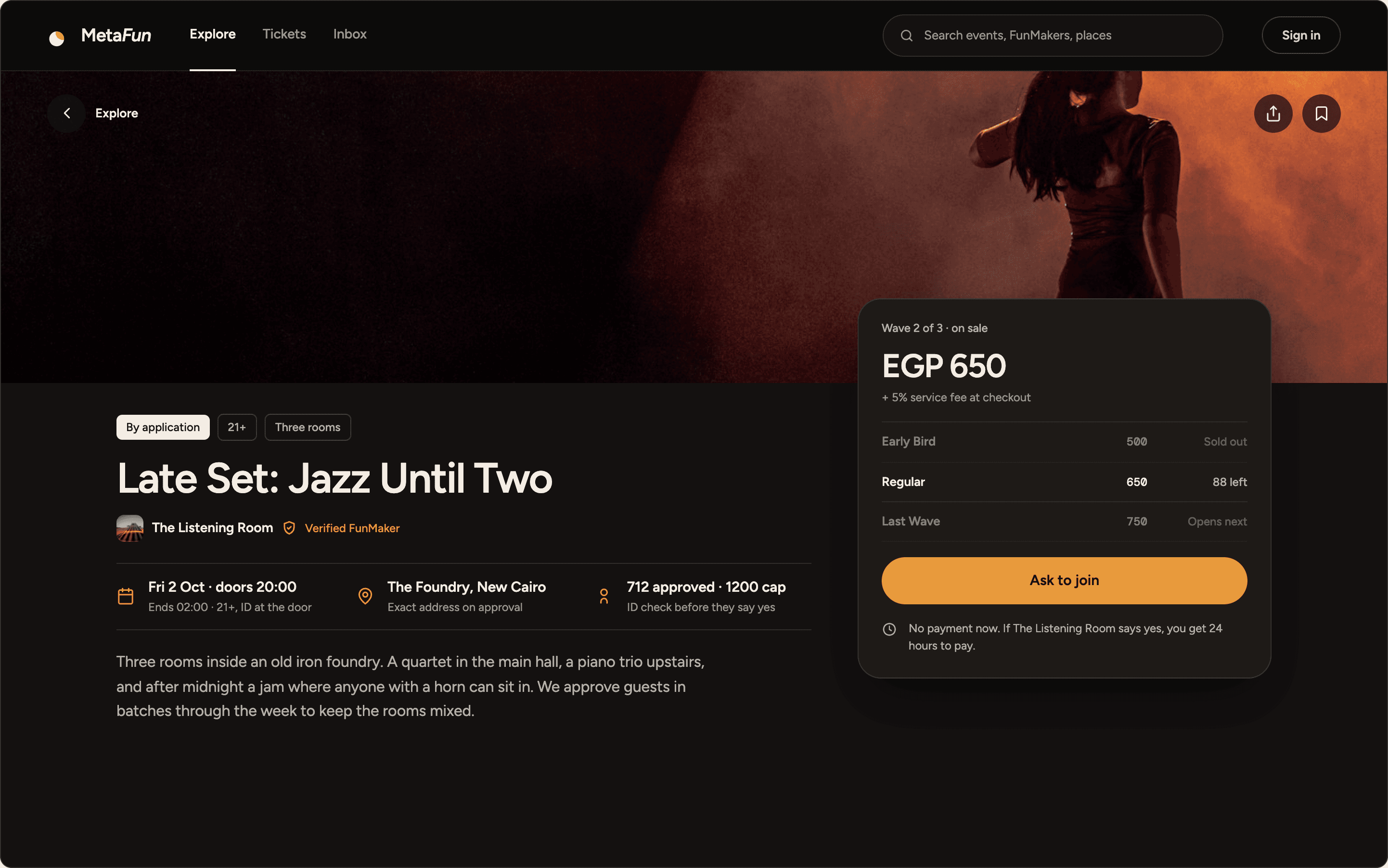
Event page · the wave price and one action
Phone event page for Late Set: Jazz Until Two, with the wave 2 of 3 price, EGP 650, and an Ask to join button
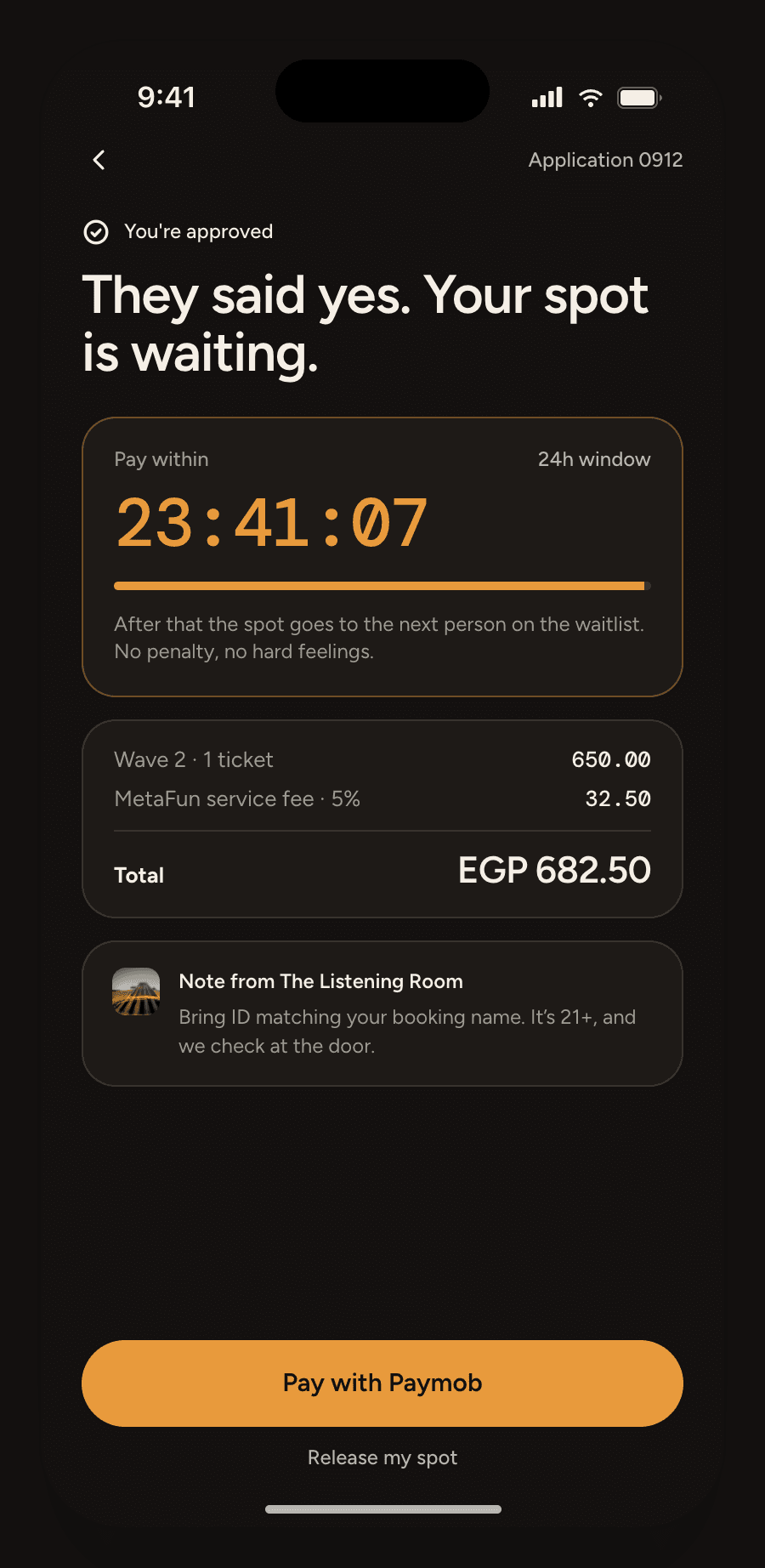
Approved · a live pay window, the full cost shown first
Approval screen, “They said yes. Your spot is waiting.”, with a pay-window countdown, the price with a 5% service fee, and a Pay with Paymob button
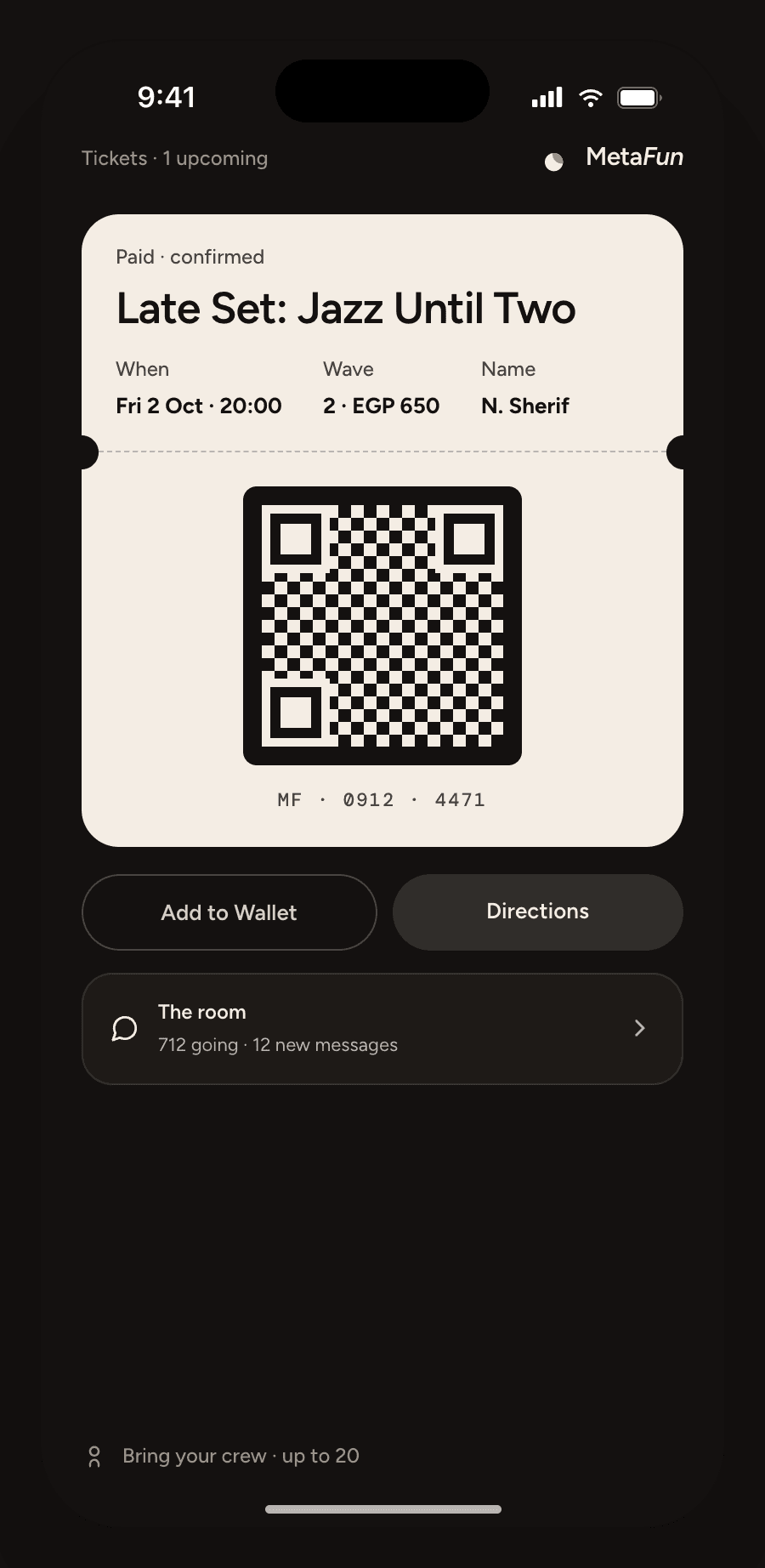
Ticket · the one light object in a dark room
Paid ticket for Late Set: Jazz Until Two on a cream stub with a QR code, and buttons for Add to Wallet and Directions

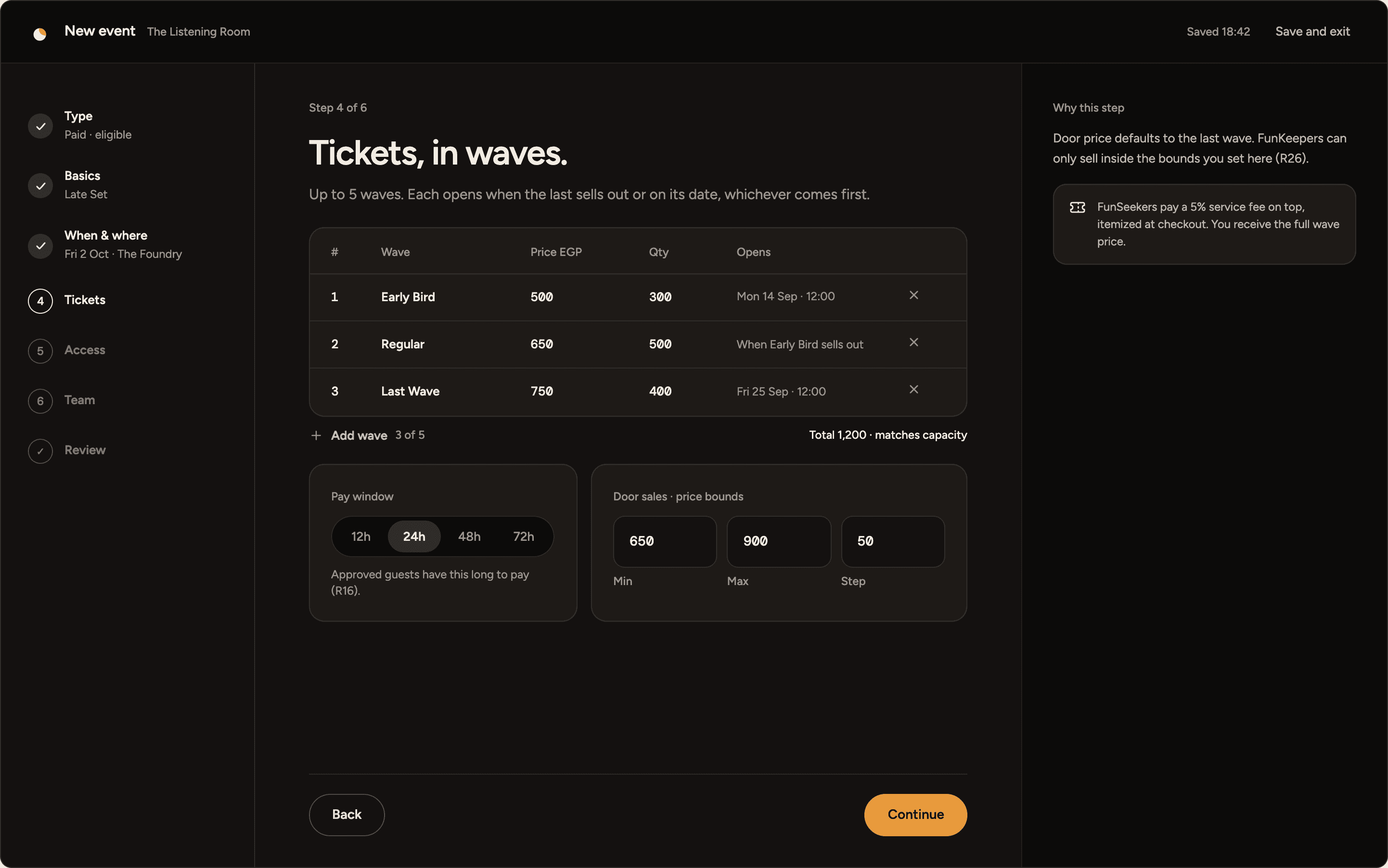
FunMaker · 16 phone screens and 27 on the web. Desk-first, because this is where the work happens: an organization, a six-step event wizard with ticket waves, and a live view of the night.
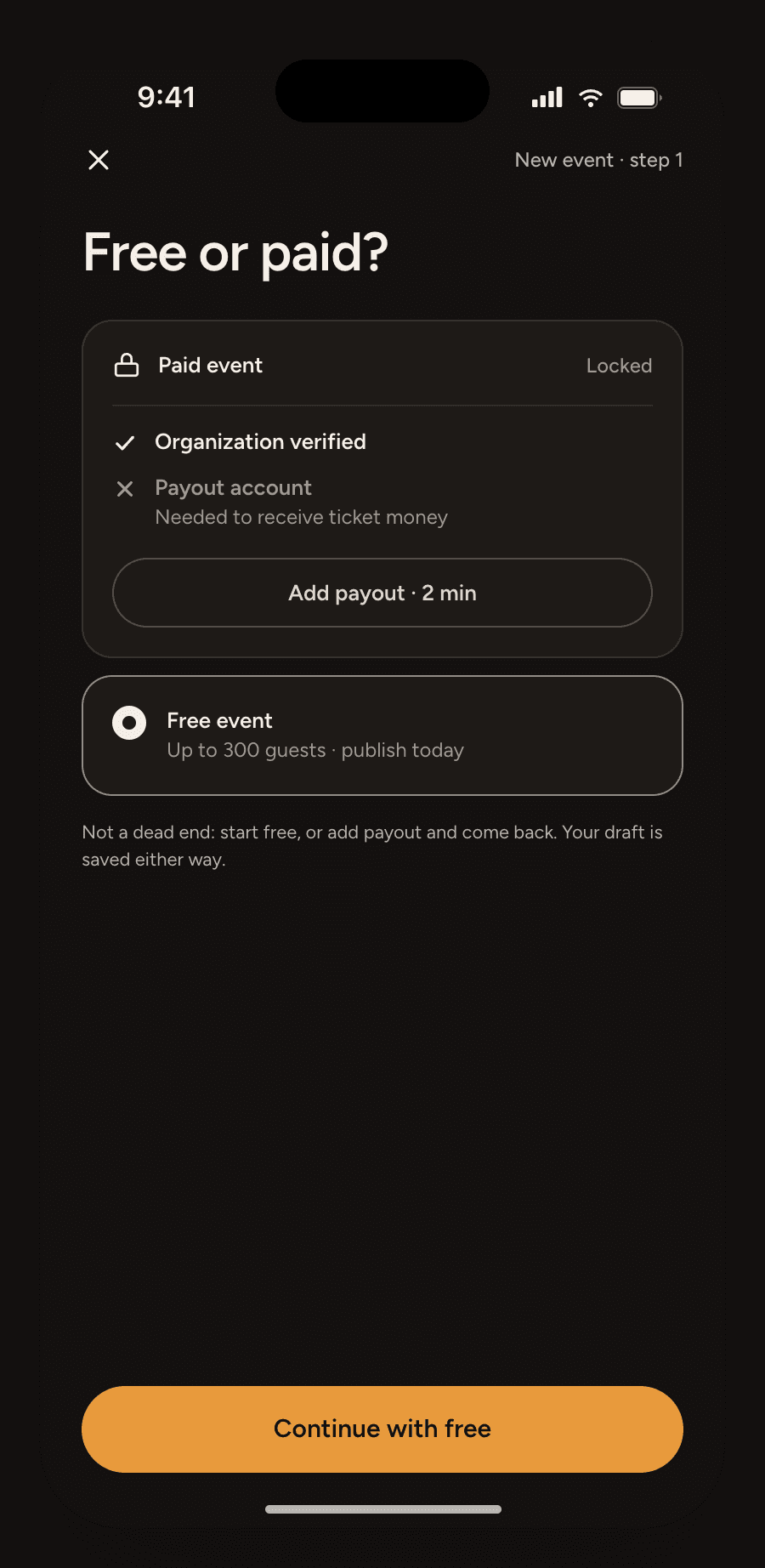
Paid is locked · the screen says why and keeps the free path open
Phone screen “Free or paid?” where paid events stay locked until a payout account is added, and Continue with free is the action
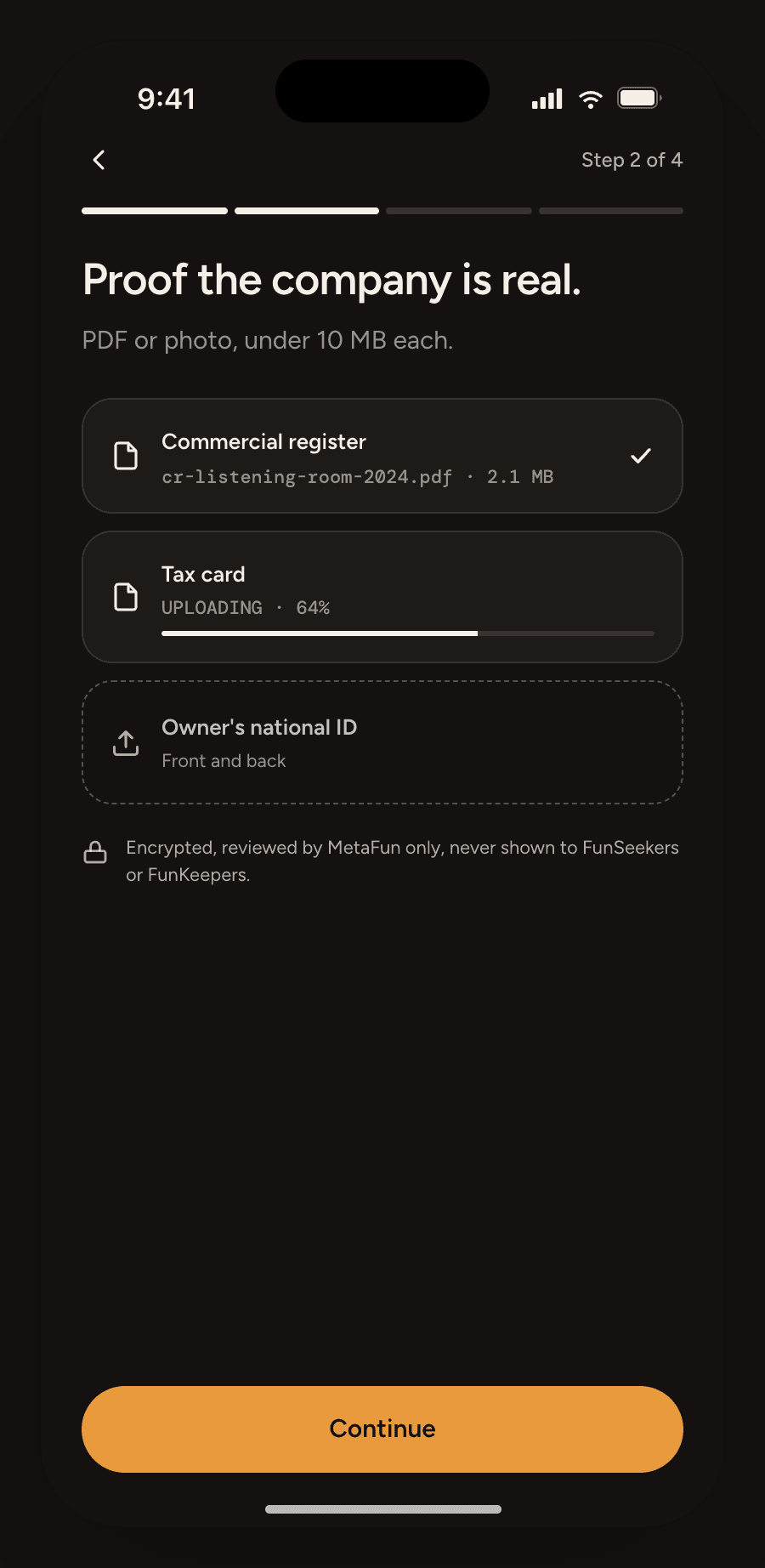
Documents · reviewed by MetaFun only
Organization step 2 of 4, “Proof the company is real.”, uploading a commercial register, tax card and owner’s ID

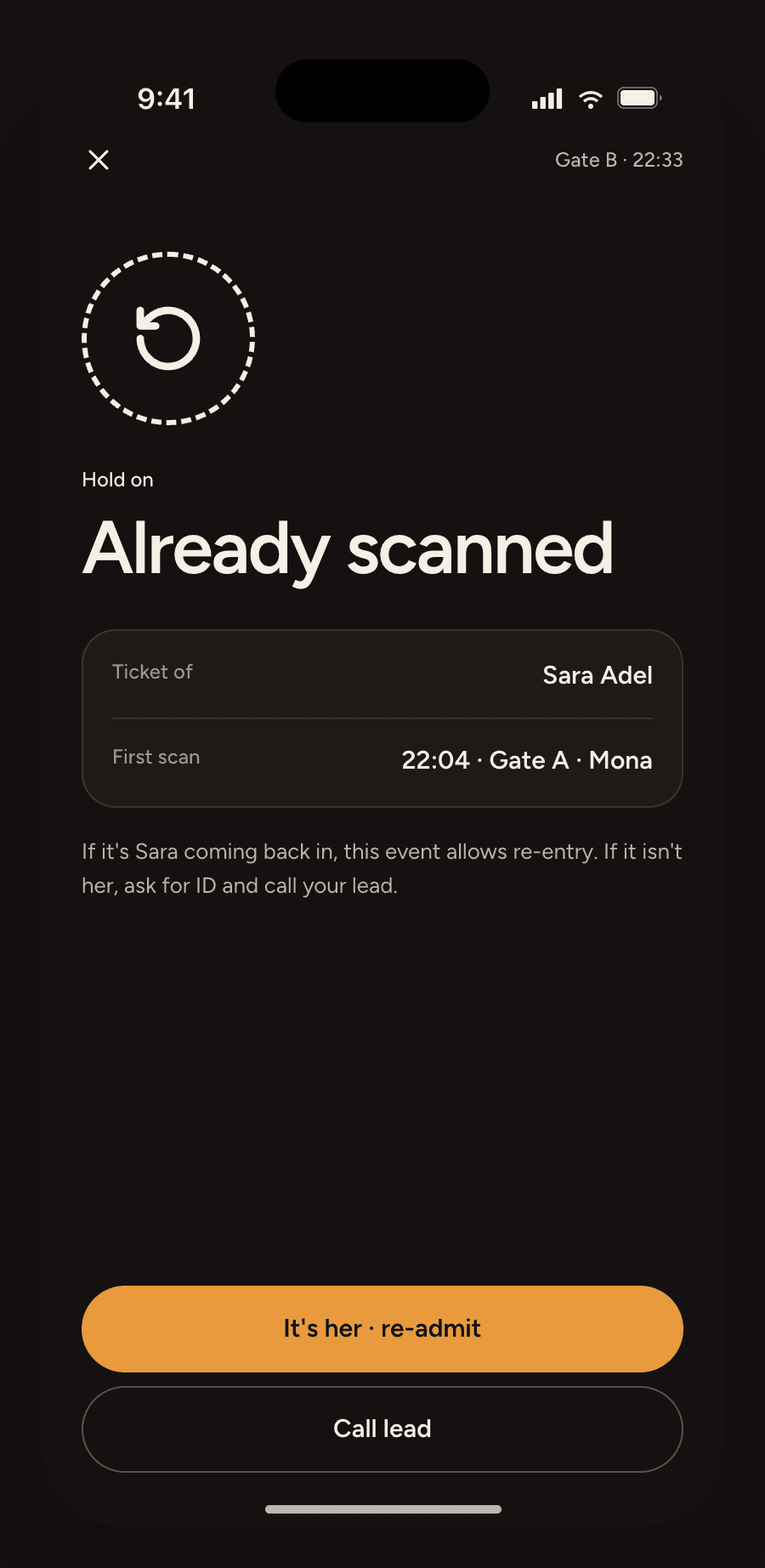
FunKeeper · 19 phone screens and 10 on a desk. One event, one role, opened from a link. Screens you can read in one glance at a dark door.
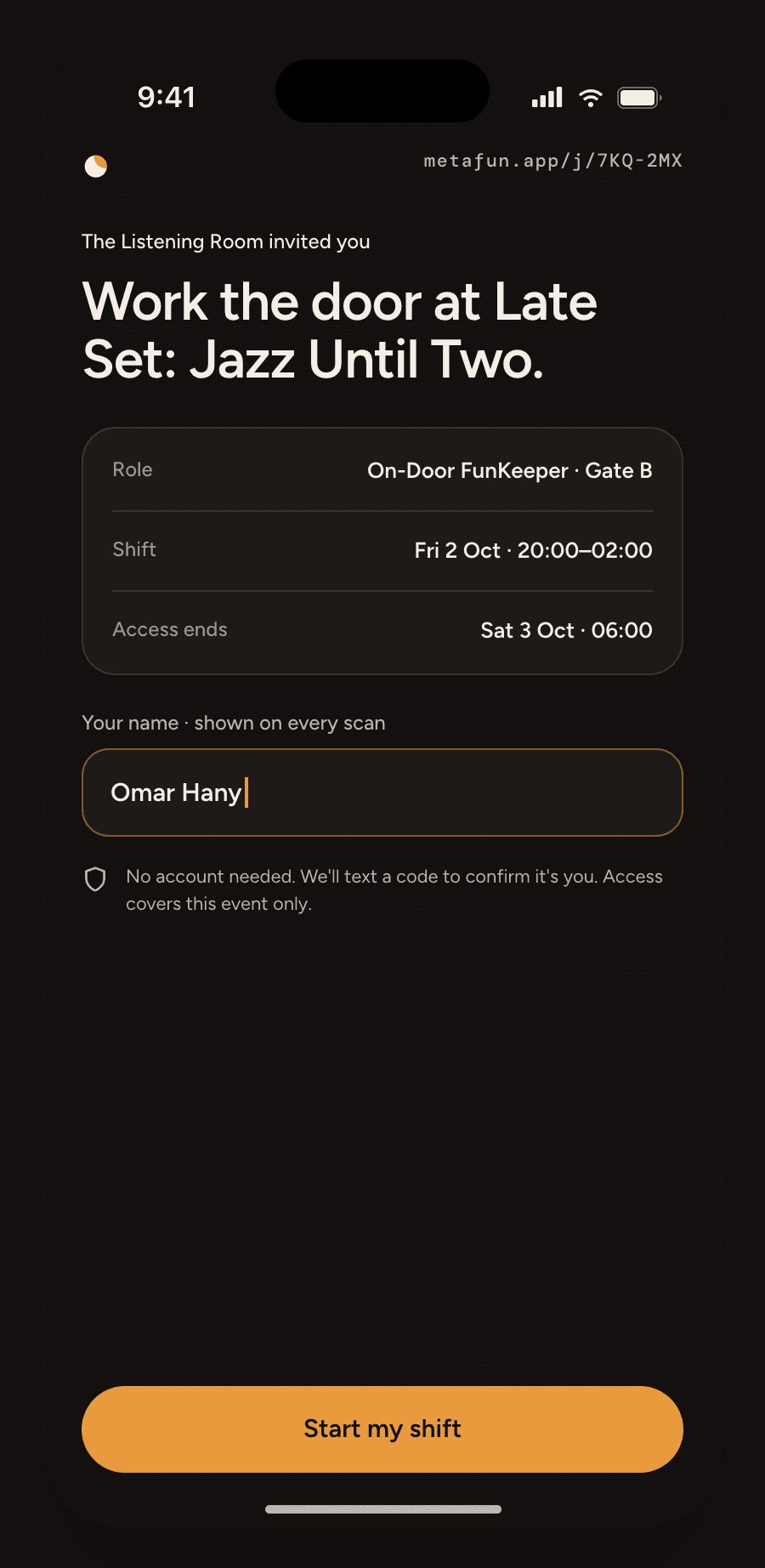
Opening the link · no account, only a name
Phone screen “Work the door at Late Set: Jazz Until Two.” showing the role, shift and when access ends, with a name field and Start my shift
Already scanned · what to do next, at a glance
Scan result “Already scanned” with the first scan’s time and gate, and a button to re-admit
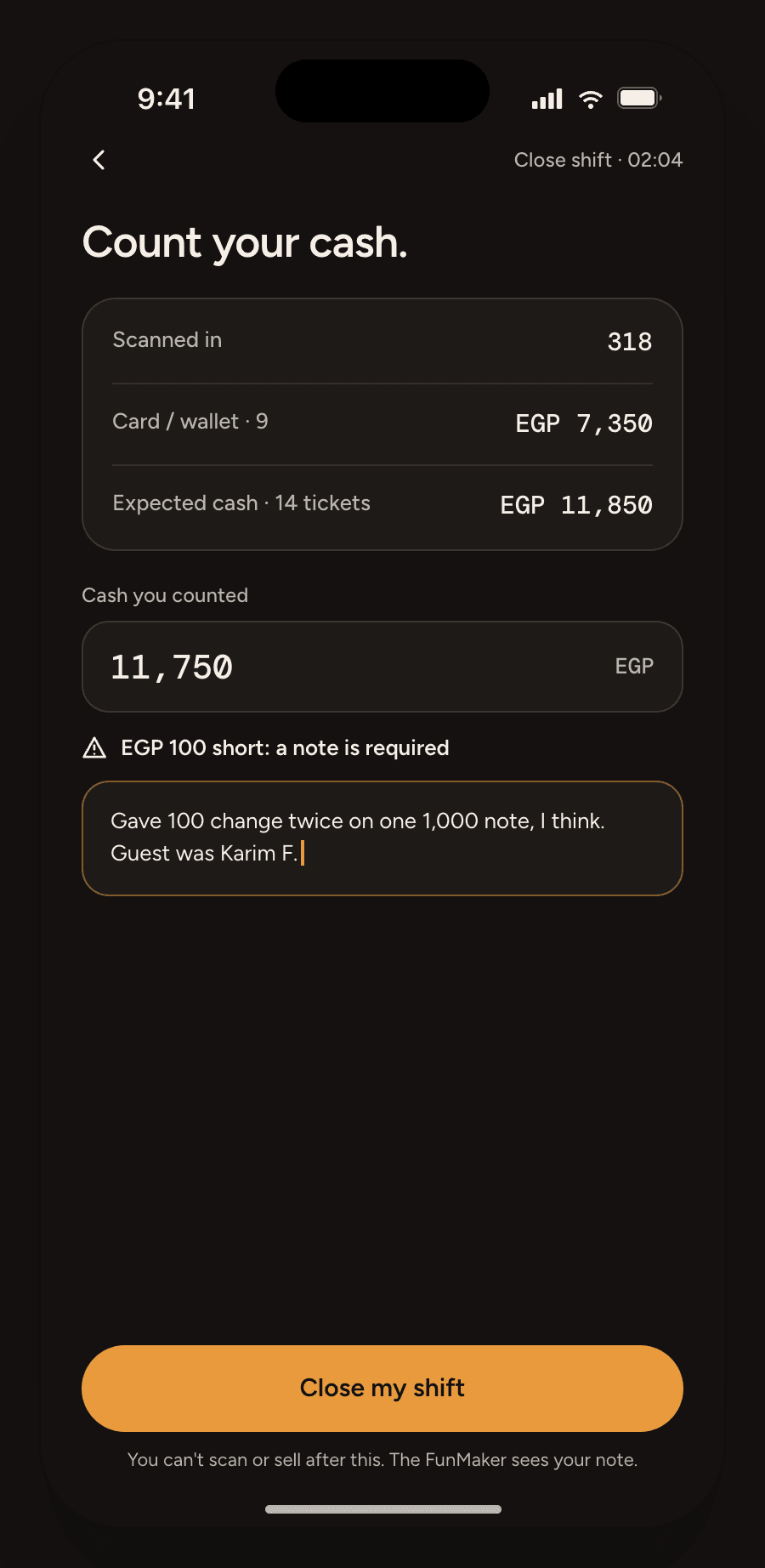
Shift close · counted against expected totals
Shift close screen “Count your cash.” comparing counted cash with the expected total and asking for a note on a shortfall

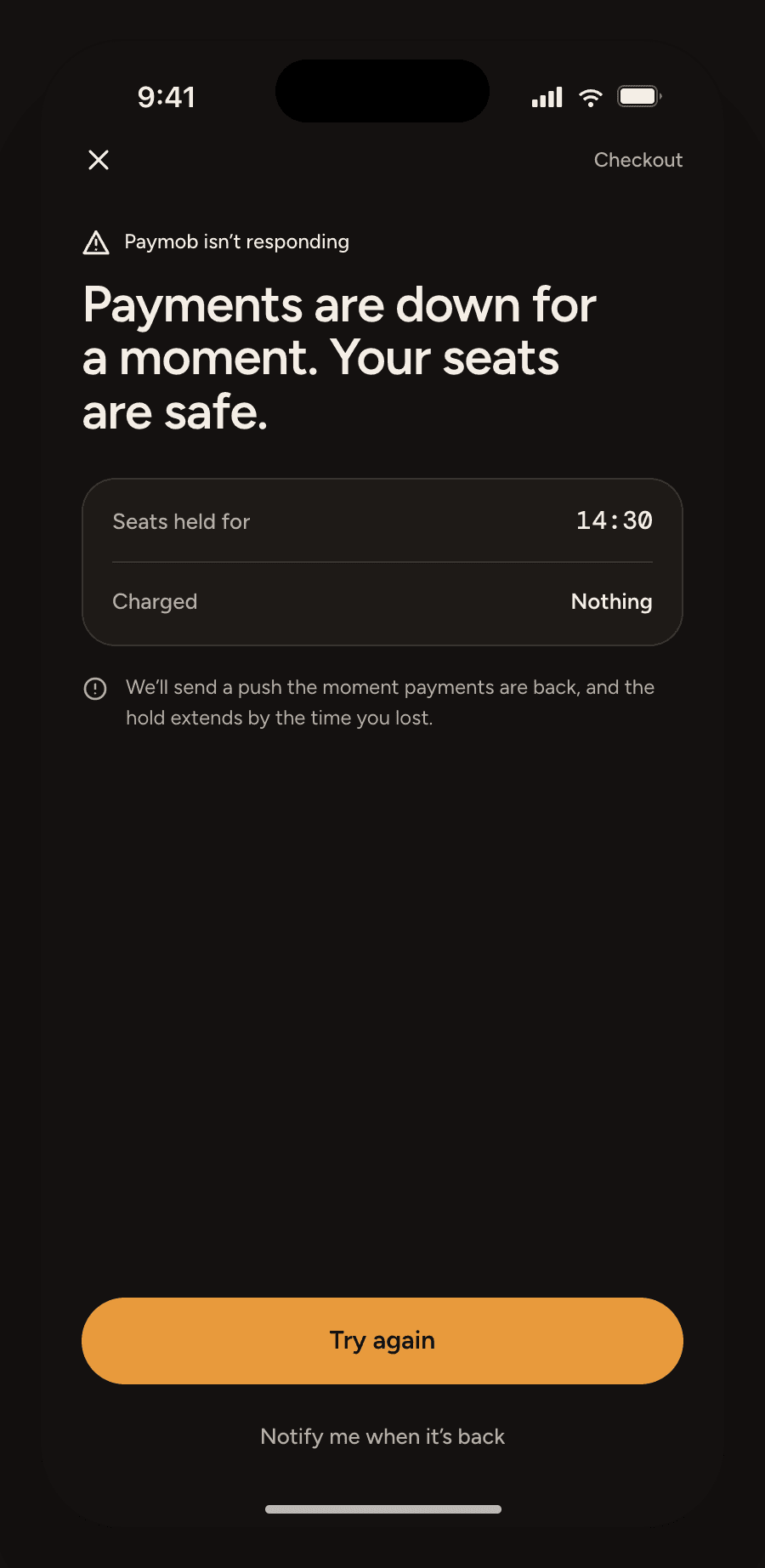
States and Arabic · 18 state screens for empty, loading, errors, offline, account and notifications. And 9 Arabic right-to-left screens across the three systems. The first release ships in English, with every layout built RTL-ready.
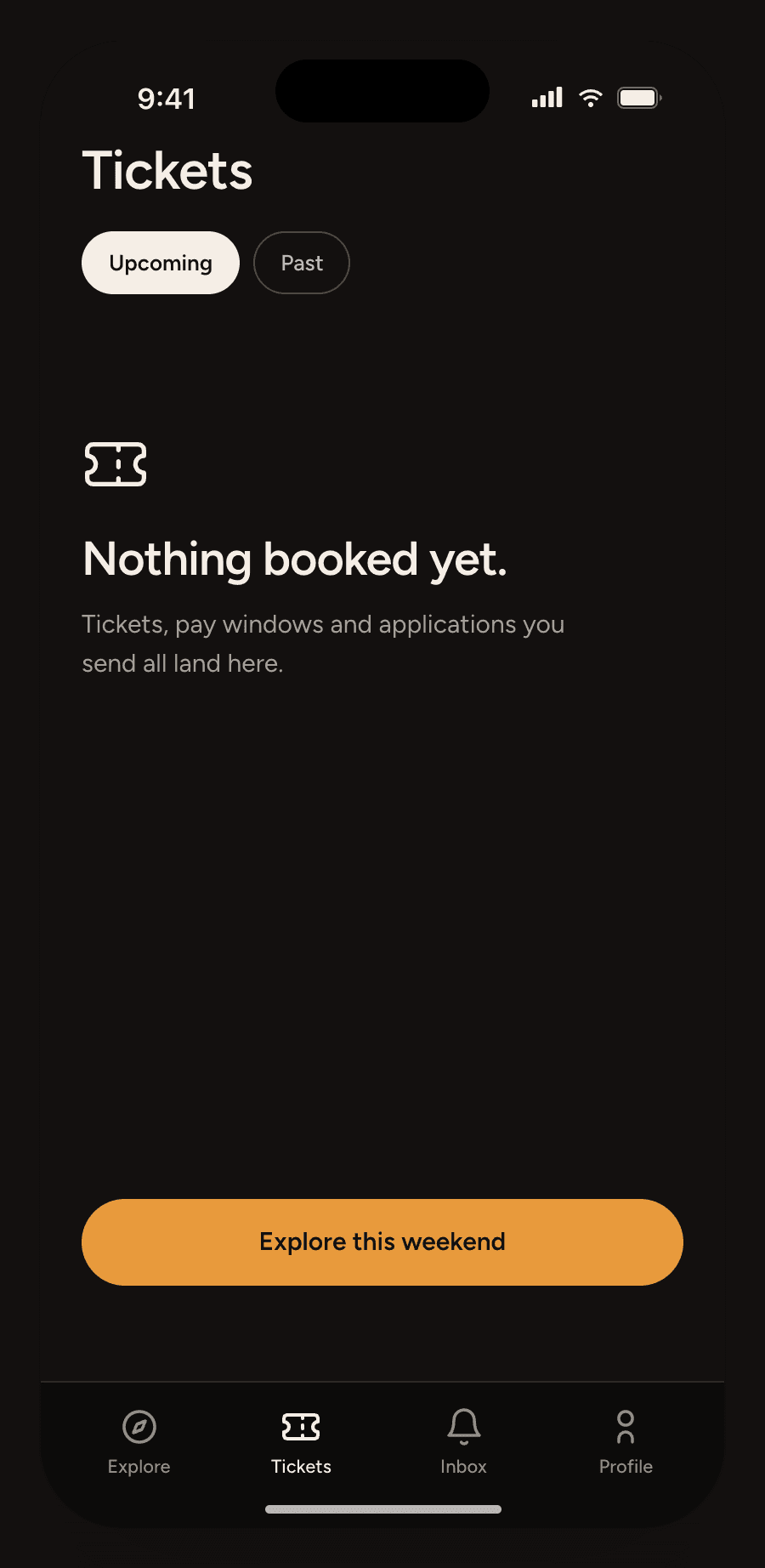
Empty · what will arrive, and how to start
Tickets tab with no bookings: “Nothing booked yet.” and an Explore this weekend button
Error · whose fault it is, and what’s safe
Error screen “Payments are down for a moment. Your seats are safe.” with a hold timer, nothing charged, and Try again
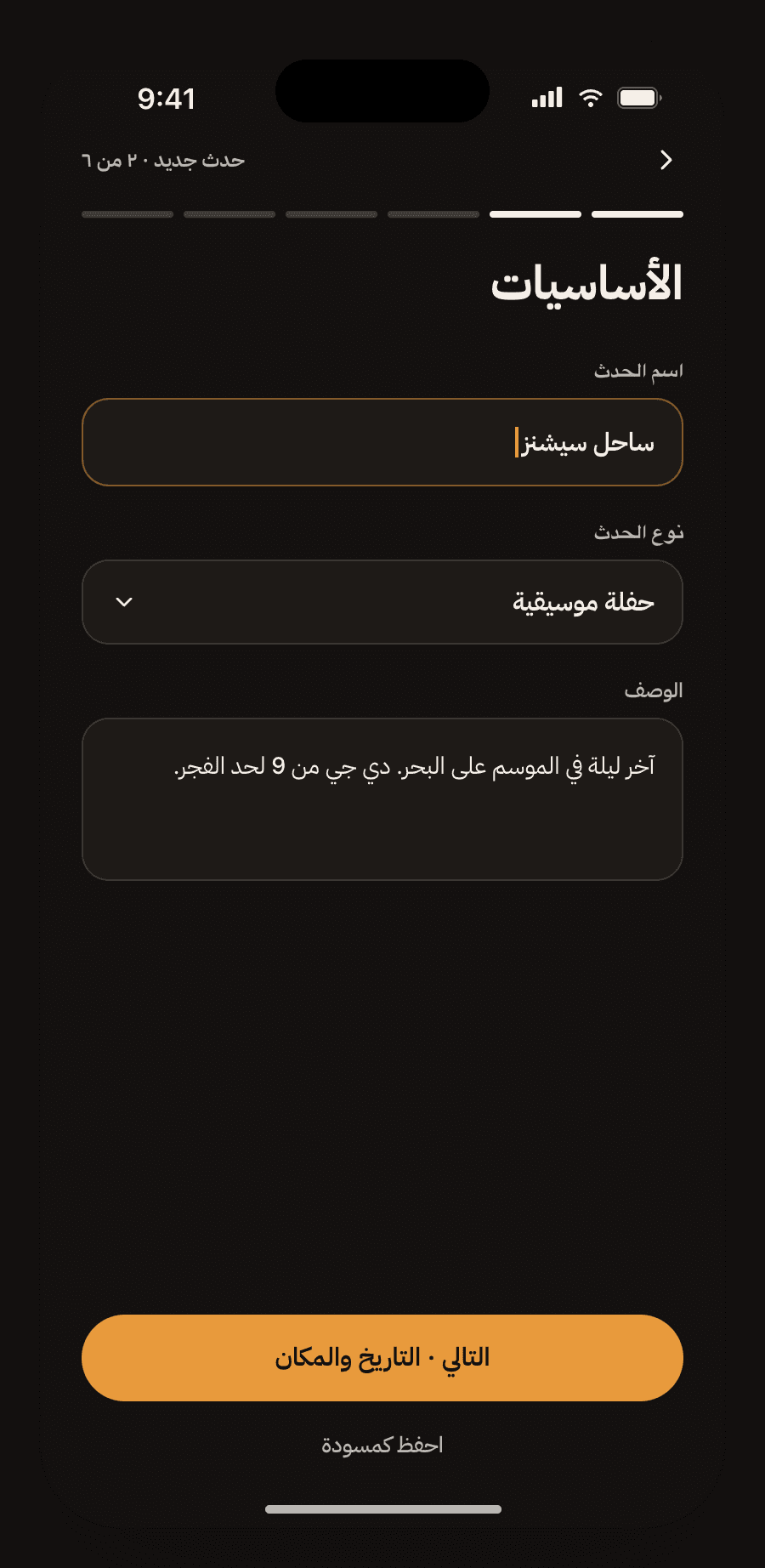
Arabic · FunMaker event wizard
Arabic right-to-left event wizard step on a phone, with fields for the event name, type and description
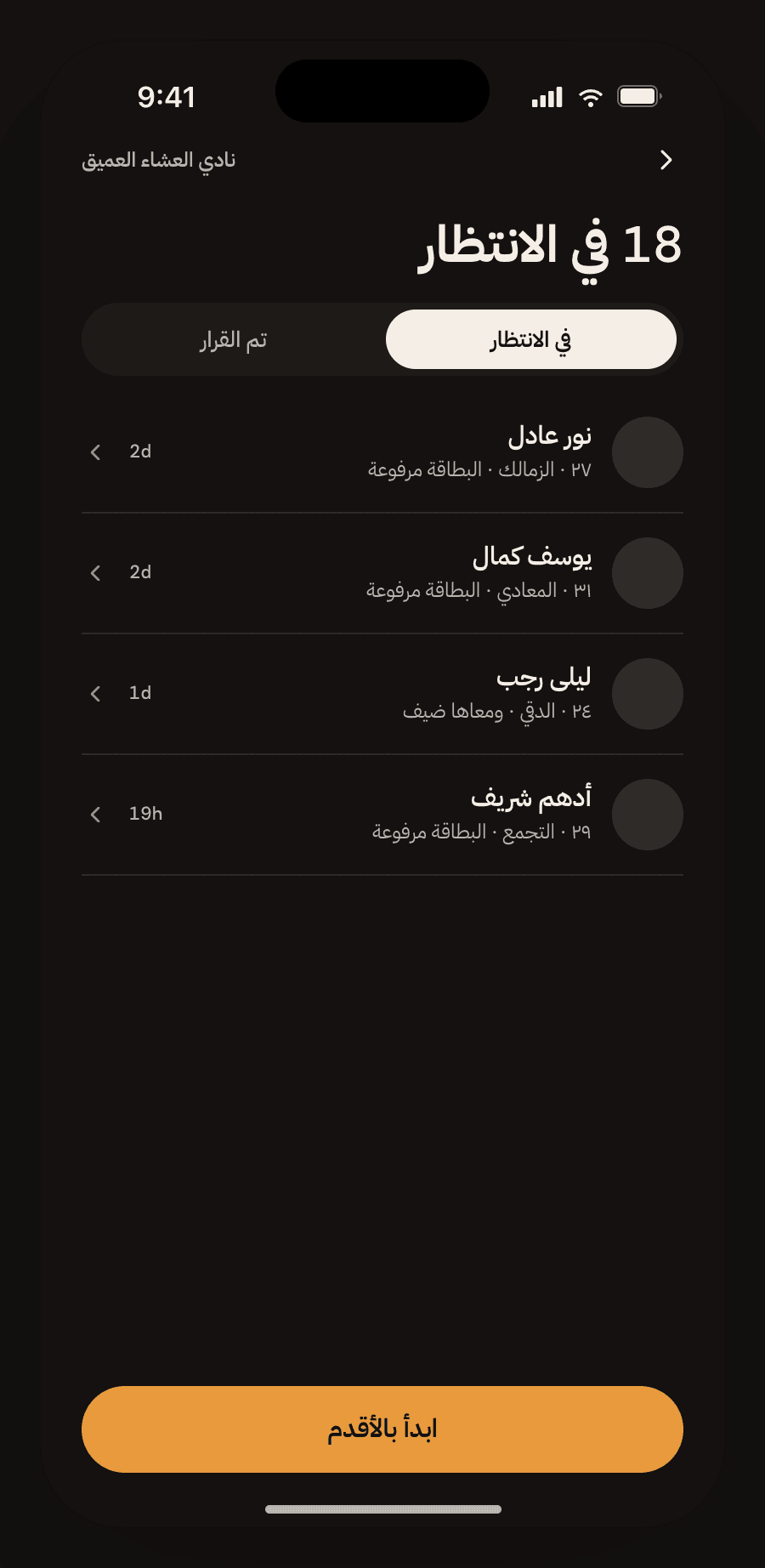
Arabic · FunKeeper review queue
Arabic right-to-left review queue listing waiting applicants

Built and live

The design didn’t stay in Figma. MetaFun is built with Next.js, Neon and Auth.js, and it’s live.

The brand rules moved into the code too. A brand check flags any raw colour, emoji or banned word before it ships.

We sell belonging, not tickets.